Our Office
Village Dumarmuda, Odhisa Road, Raigarh (C.G.) INDIA
+91 98073 56789
+91 84359 55506
info@firestop.co.in
marketing@firestop.co.in
Business Hours
Monday - Friday
09:00 am - 07:00 pm
Saturday
09:00 am - 12:00 pm
Sunday
Closed
Gallery
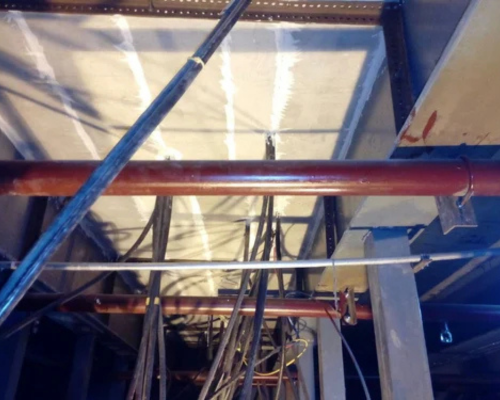

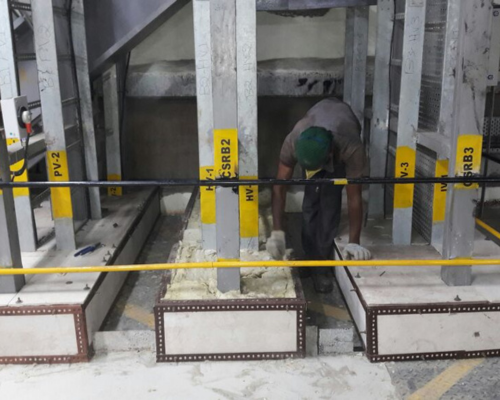



Project specifications often require materials to be backed by third-party test standards such as UL 1479 / ASTM E814, EN 1366, or local equivalents. The EPC vendor should maintain a catalogue of approved systems mapped to penetration scenarios.
Professional installation ensures that manufacturer instructions and test conditions are faithfully recreated on site. Best practices include:
Quality assurance during an EPC engagement typically involves multi-stage checks:
Penetration sealings must survive building life cycles, remodels, and MEP changes. EPC packages should include a maintenance plan, which may cover:
EPC packages can be procured as lump-sum turn-key contracts or as schedule-of-rates agreements. The choice depends on project certainty and tolerance for change. Lump-sum EPCs reduce contractor risk and simplify coordination; schedule-of-rates can offer flexibility for projects with evolving MEP scope.
Selecting a specialist vendor matters. Look for vendors who can demonstrate:
EPC Packages for Fire Penetration Sealings provide a pragmatic, accountable route to ensuring building compartmentation remains effective throughout the construction and operational phases. By transferring design, procurement and installation responsibilities to a qualified specialist, project teams reduce schedule risk, improve compliance, and achieve reliable fire performance across all penetrations. Whether you are delivering a new build or executing a retrofit, a well-scoped EPC package will protect lives, assets, and the operational continuity of the facility.
Request EPC ConsultationVillage Dumarmuda, Odhisa Road, Raigarh (C.G.) INDIA
+91 98073 56789
+91 84359 55506
info@firestop.co.in
marketing@firestop.co.in
Monday - Friday
09:00 am - 07:00 pm
Saturday
09:00 am - 12:00 pm
Sunday
Closed