Our Office
Village Dumarmuda, Odhisa Road, Raigarh (C.G.) INDIA
+91 98073 56789
+91 84359 55506
info@firestop.co.in
marketing@firestop.co.in
Business Hours
Monday - Friday
09:00 am - 07:00 pm
Saturday
09:00 am - 12:00 pm
Sunday
Closed
Gallery
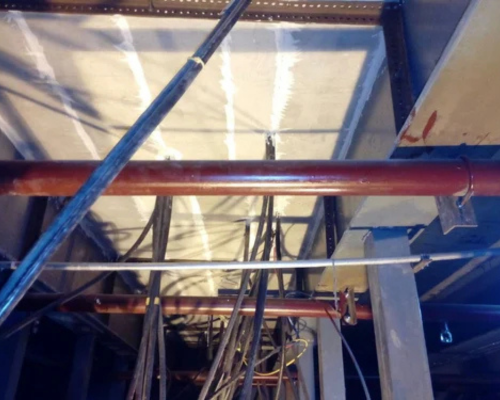
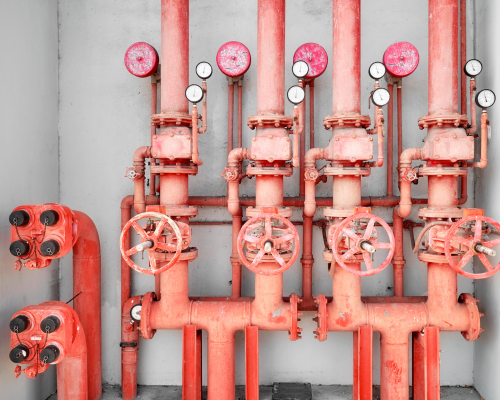
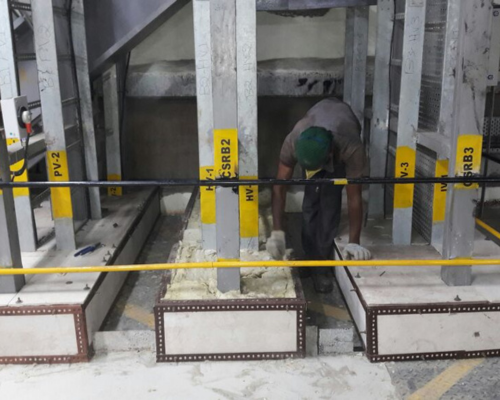

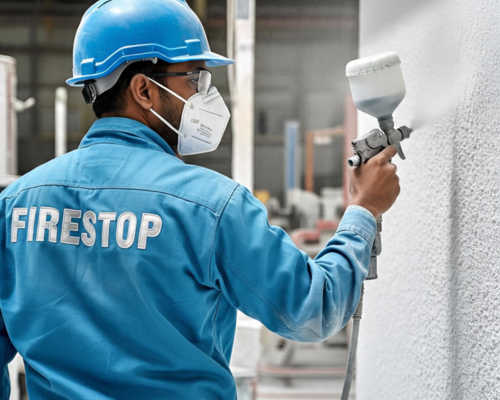
One of the most widely used fire protection systems. It consists of hydrant valves, water storage tanks, fire pumps, hose reels, landing valves, branch pipes, and accessories.
Sprinklers automatically activate when a temperature threshold is crossed. They release water directly over the fire-affected area, effectively controlling flames and preventing spread.
Includes smoke detectors, heat detectors, manual call points, hooters, control panels, and emergency lighting. Essential for quick evacuation and early warning.
Used in areas where water can damage assets, such as server rooms, data centers, control rooms, and electrical panels. Systems include FM200, Novec 1230, CO₂, and Inert Gas systems.
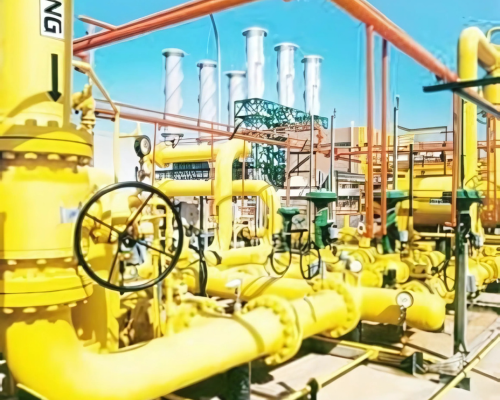
Used in oil & gas, chemical plants, refineries, and warehouses storing flammable liquids. Foam blankets and suppresses fire by cutting off oxygen supply.
Portable extinguishers are the first line of defense. Types include water, foam, CO₂, DCP, and clean agent extinguishers—each suited for different fire classes.
All fire-fighting systems must be designed according to local and international safety standards such as:
Fire systems must be inspected regularly to ensure reliability during emergencies. Annual audits include:
Almost every sector requires these solutions, such as:
Fire Fighting Solutions are essential for safeguarding property and lives in any environment. Understanding each system, choosing the right solution, ensuring proper installation, and carrying out regular maintenance are key to preventing fire disasters. With modern advancements in fire technology, companies and homeowners have more effective and reliable systems than ever before.
Village Dumarmuda, Odhisa Road, Raigarh (C.G.) INDIA
+91 98073 56789
+91 84359 55506
info@firestop.co.in
marketing@firestop.co.in
Monday - Friday
09:00 am - 07:00 pm
Saturday
09:00 am - 12:00 pm
Sunday
Closed